Caribbean Kill Chain: Cold War Infrastructure & Strategic Reactivation
Deep dive into the Caribbean Kill Chain. Our MilSim 2026 analysis provides Mobile Tactical Intel on naval military strategy and maritime dominance.
By Aegis Warfare Team
1/5/20262 min read
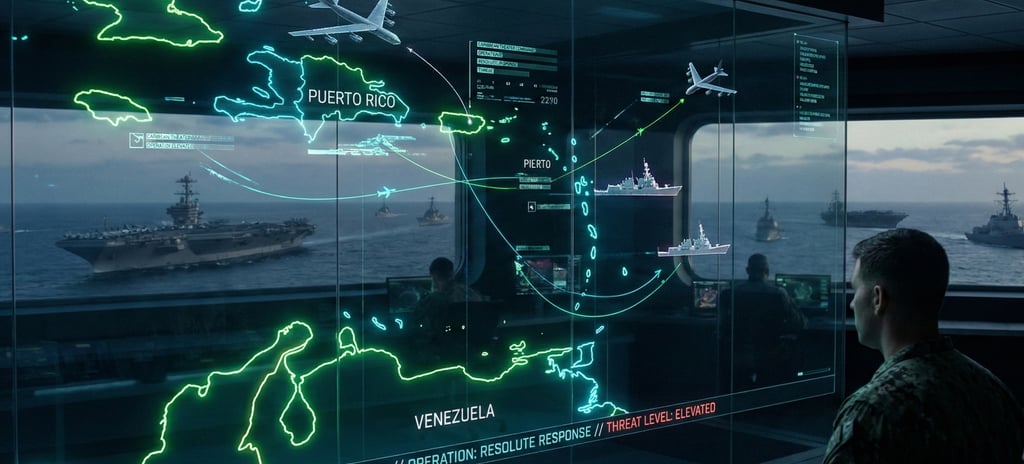
Introduction: The southern Caribbean is witnessing a massive reactivation of military assets not seen since the Cold War. From the rapid recommissioning of Roosevelt Roads Naval Station to the transformation of civilian airports into logistics hubs, the United States is assembling a formidable "Kill Chain". For our Mobile MilSim 2026 community, understanding these real-world logistics is key to mastering modern theater warfare.
The Caribbean Front: Reactivating Cold War Infrastructure & The Kill Chain Strategy
2. The Naval Kill Chain: Roles and Coordination A modern naval operation is a symphony of specialized roles. The US Navy has deployed a specific fleet structure to neutralize threats in the Gulf of Paria:
The Electronic Spear (USS Jason Dunham): An Arleigh Burke-class destroyer specialized in jamming coastal radars and blinding enemy communications.
The Aegis Shield (USS Stockdale): Equipped with advanced missile defense to intercept incoming anti-ship threats.
The Command Juggernaut (USS Lake Erie): A Ticonderoga-class cruiser acting as the "Boss," coordinating every aircraft and ship in the theater.
The Door Kickers (USS Iwo Jima): An amphibious assault ship designed to launch Marines and V-22 Ospreys for "boots on the ground" operations.
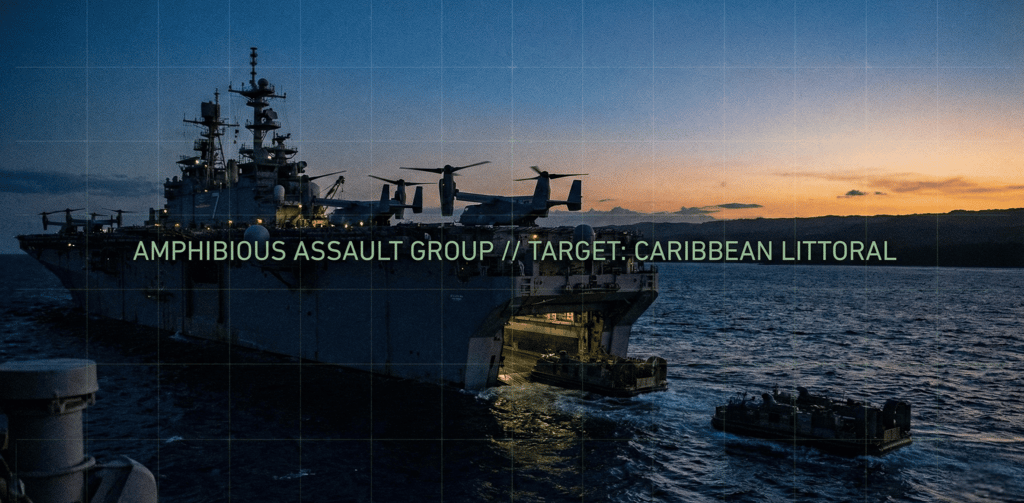
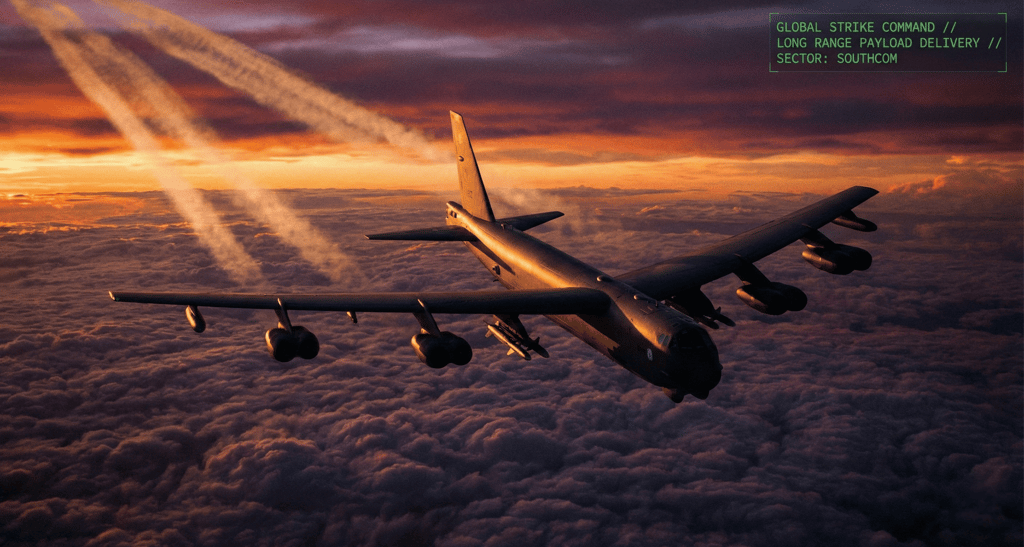
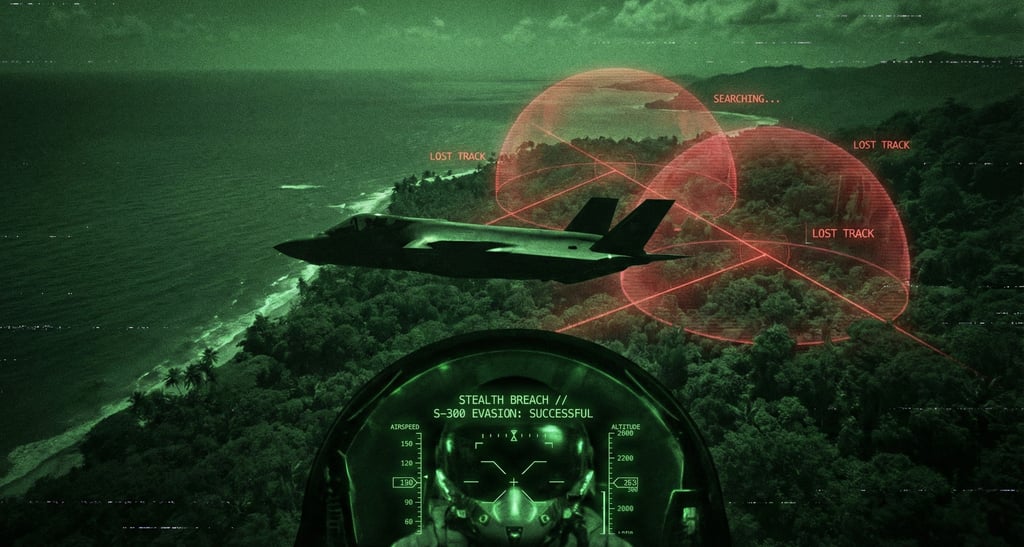
3. Air Power: From B-52s to F-35 Stealth The air strategy combines long-range endurance with surgical precision. B-52 Stratofortresses and B-1 Lancers deliver massive payloads from the continental US, while F-35s act as the primary "door kickers," penetrating S-300 air defense networks undetected. This mirrors the technology we explored in our Operation Southern Spear Analysis, where stealth and sensor fusion are the ultimate deciders of victory.
Maritime interdiction now utilizes autonomous effects, a concept explored in our Switchblade 600 Technical Report.
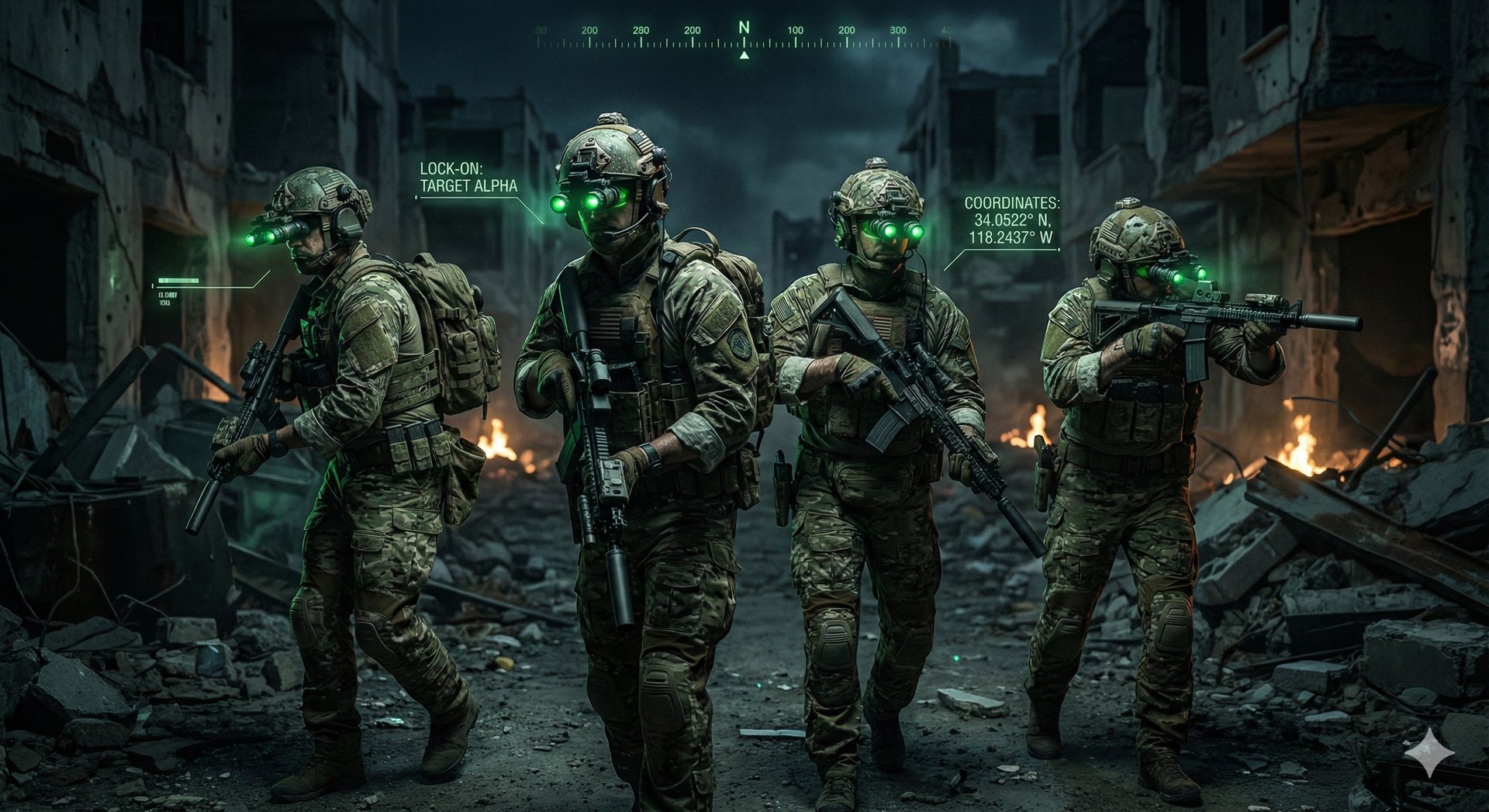
4. Hybrid Defense: The Venezuelan Response The opposition relies on a mixture of conventional Russian-made hardware (S-300, Sukhoi Su-30) and asymmetric tactics. With over 4.5 million militia members and the integration of Iranian Shahed drones, the defense strategy aims to slow down US advances through terrain familiarity and guerilla warfare. We previously discussed how these environments impact tactical gameplay in our Urban Stealth & Night Ops Guide.
Conclusion: As forward bases reactivate and amphibious ships take positions, the geopolitical map of South America is being rewritten. Whether it's a naval blockade or a full surgical extraction, the tactical complexity of the Caribbean front remains the ultimate case study for 2026 military simulations.